-
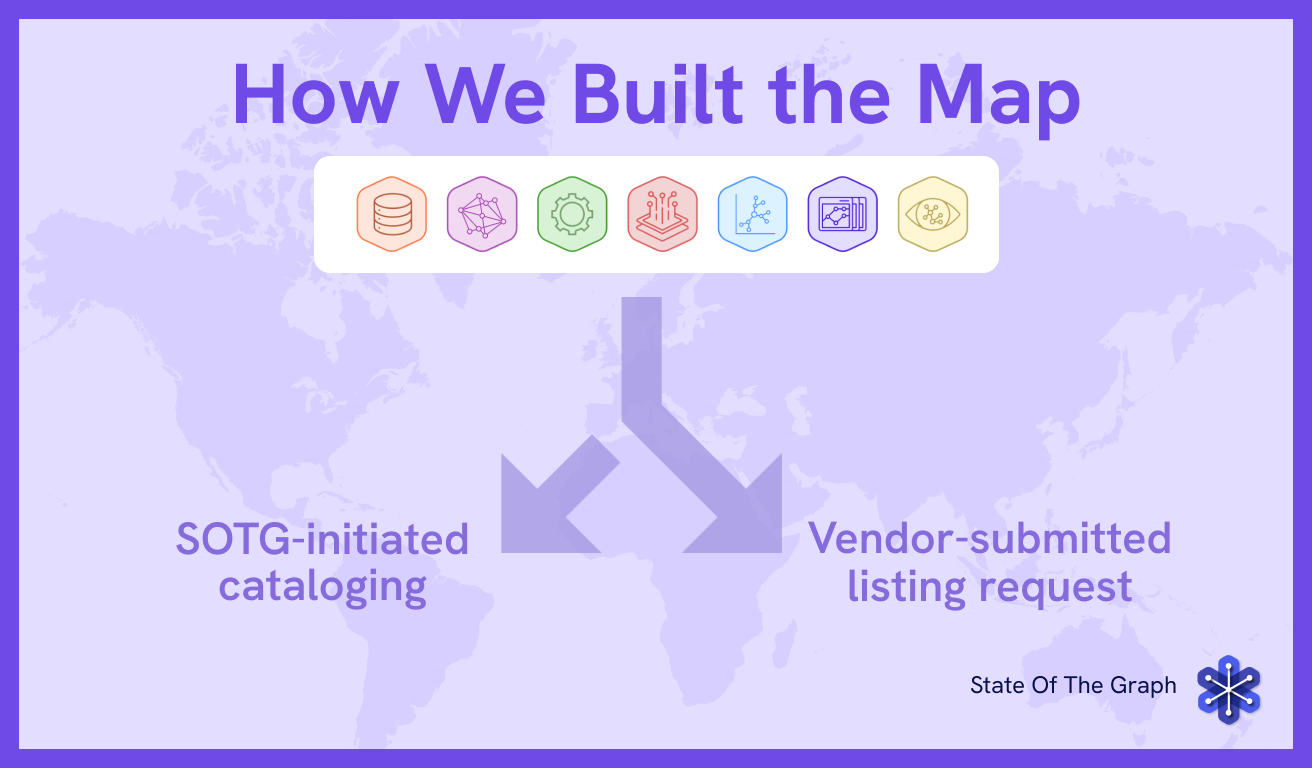
How We Build the Map: Methodology, Criteria, and Edge Cases
A map is only as useful as its criteria are clear. The thinking behind categories, criteria, and how to get listed. State of the Graph is vendor-neutral by design. That neutrality is not a stance or a marketing claim. It is the product. The moment the map reflects commercial relationships rather than technical reality,…
-
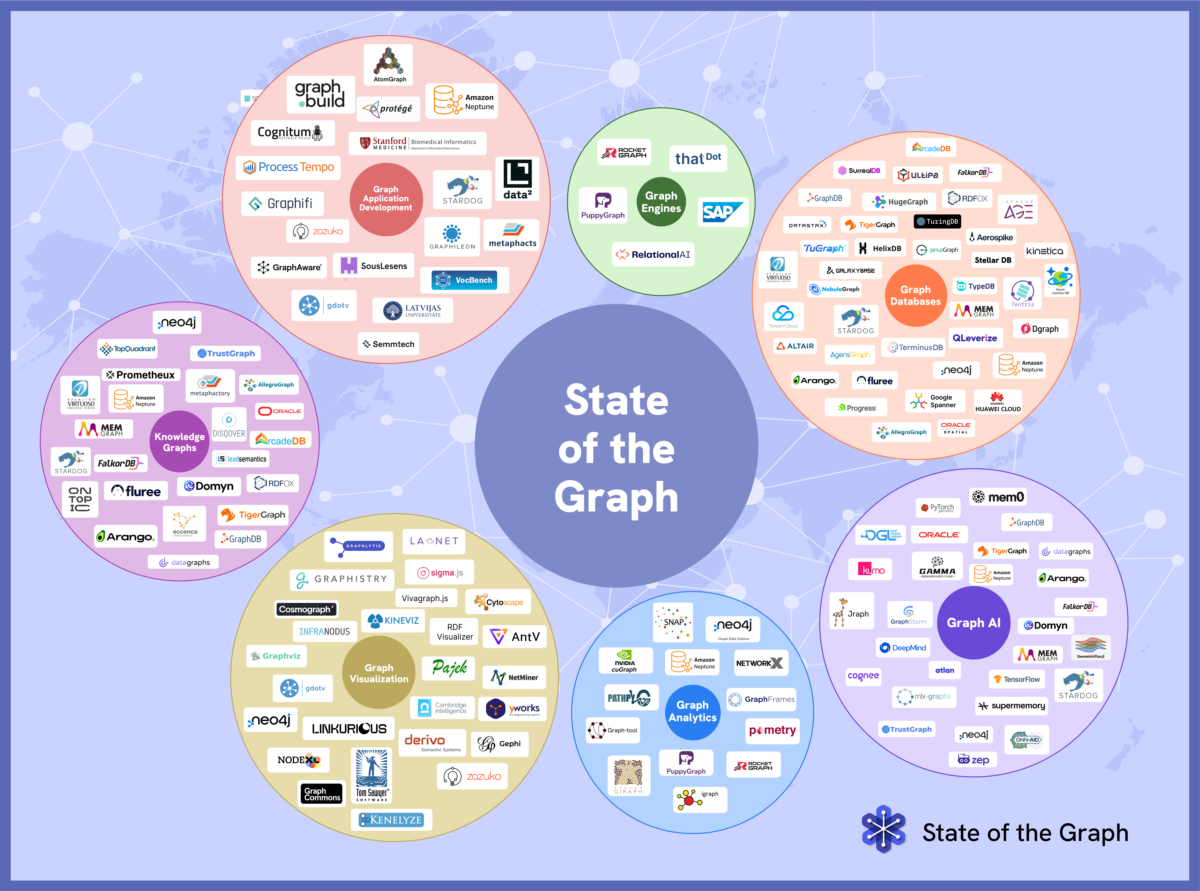
7 Months, 7 Continents: The Complete Map of Graph Technology
Which graph database should you choose? Which knowledge graph platform fits your use case? And where does GraphRAG fit in? For seven months, we mapped the entire graph technology ecosystem – 7 categories, 128 products, 113 vendors – so you can answer all these questions and more. The graph technology market size has grown…
-
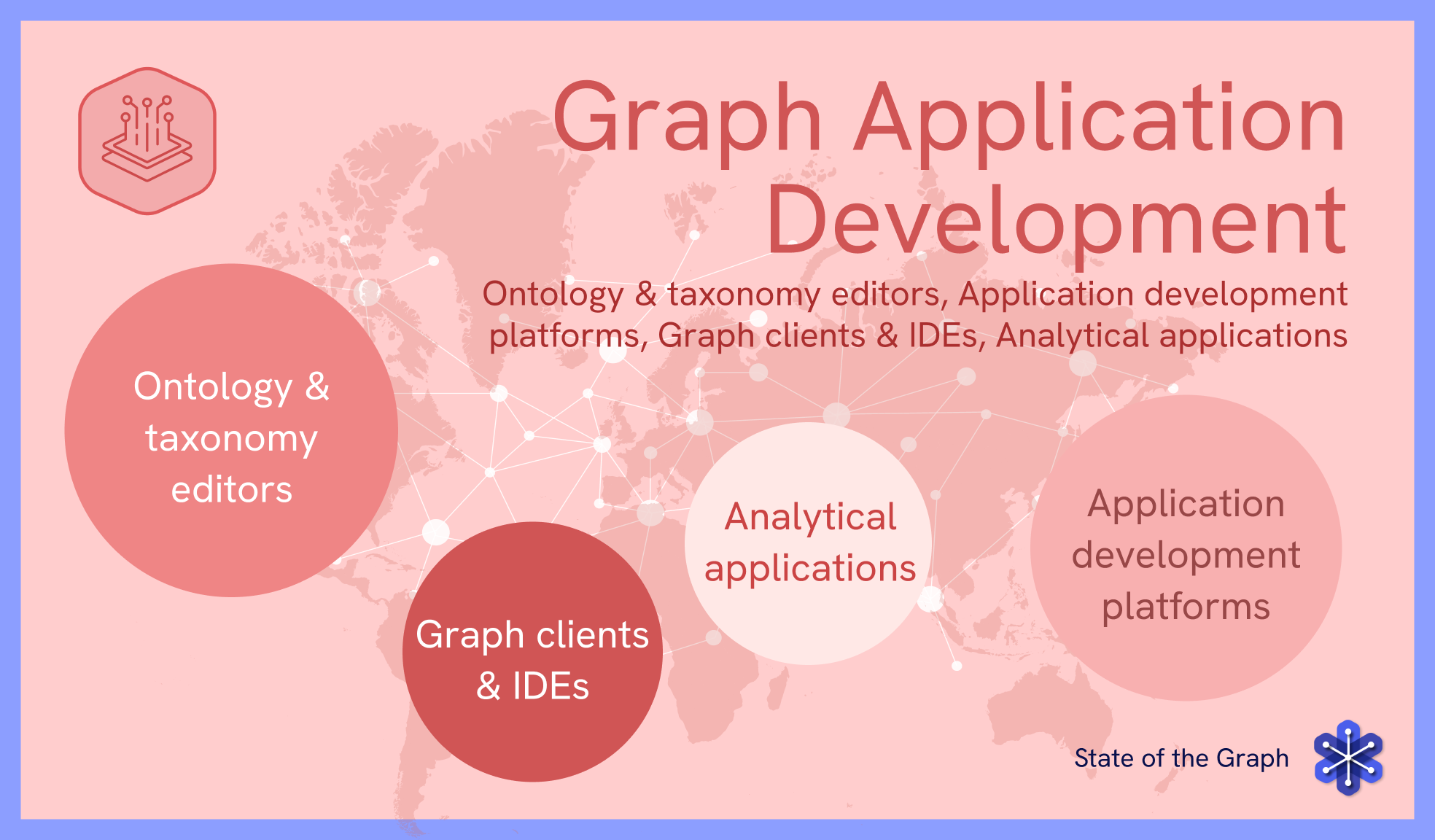
Locating the Graph Application Development Continent
Most graph projects don’t fail because of the graph back end. They fail because there’s no good way to turn the graph into something people can use. Graph Application Development is the layer that bridges that gap. Graph Application Development is the layer where application experiences are designed, assembled, and operated, turning graph platforms…
-
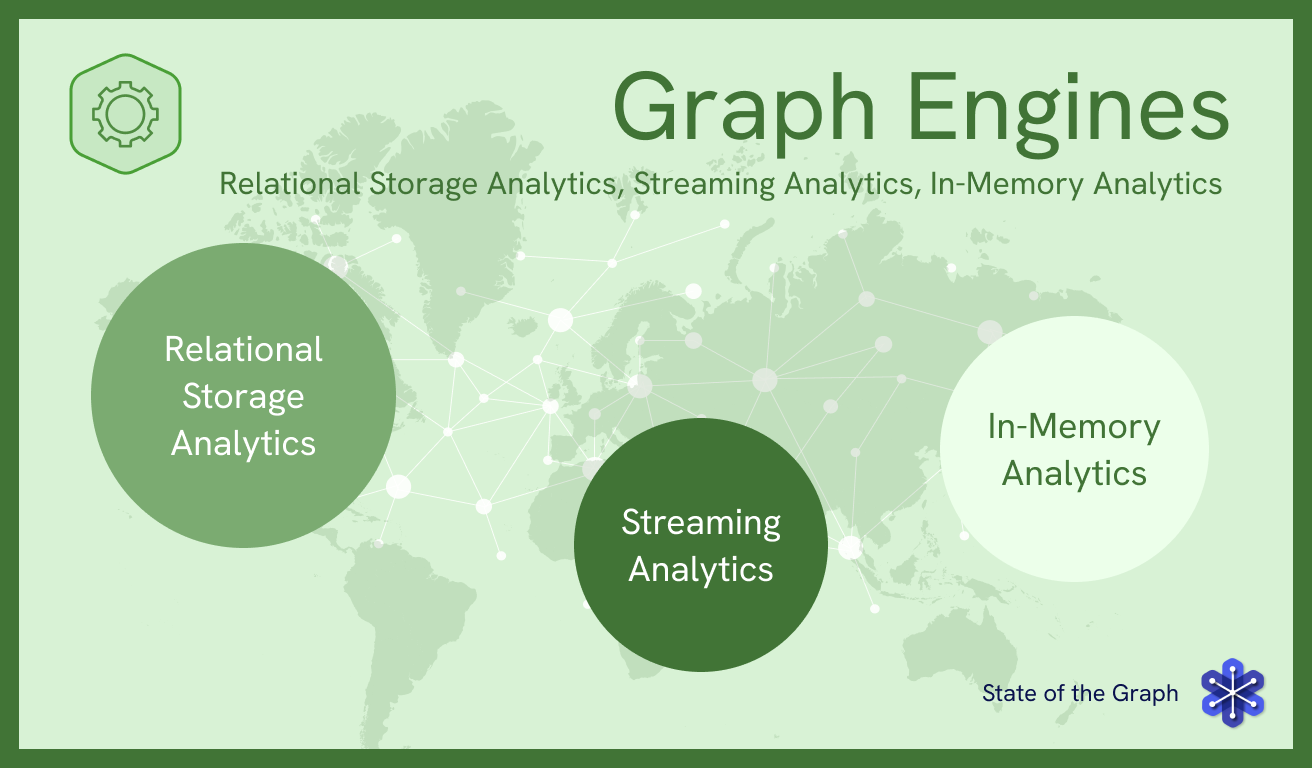
Surveying the Graph Engines Terrain
Graph Engines: the layer where graph-shaped computation runs over your existing systems instead of inside a new database of its own. Graph engines turn warehouses, relational databases, event streams, and application platforms into graph-enabled environments, projecting nodes and relationships on the fly so you can ask graph questions without rebuilding your stack. This catalog…
-
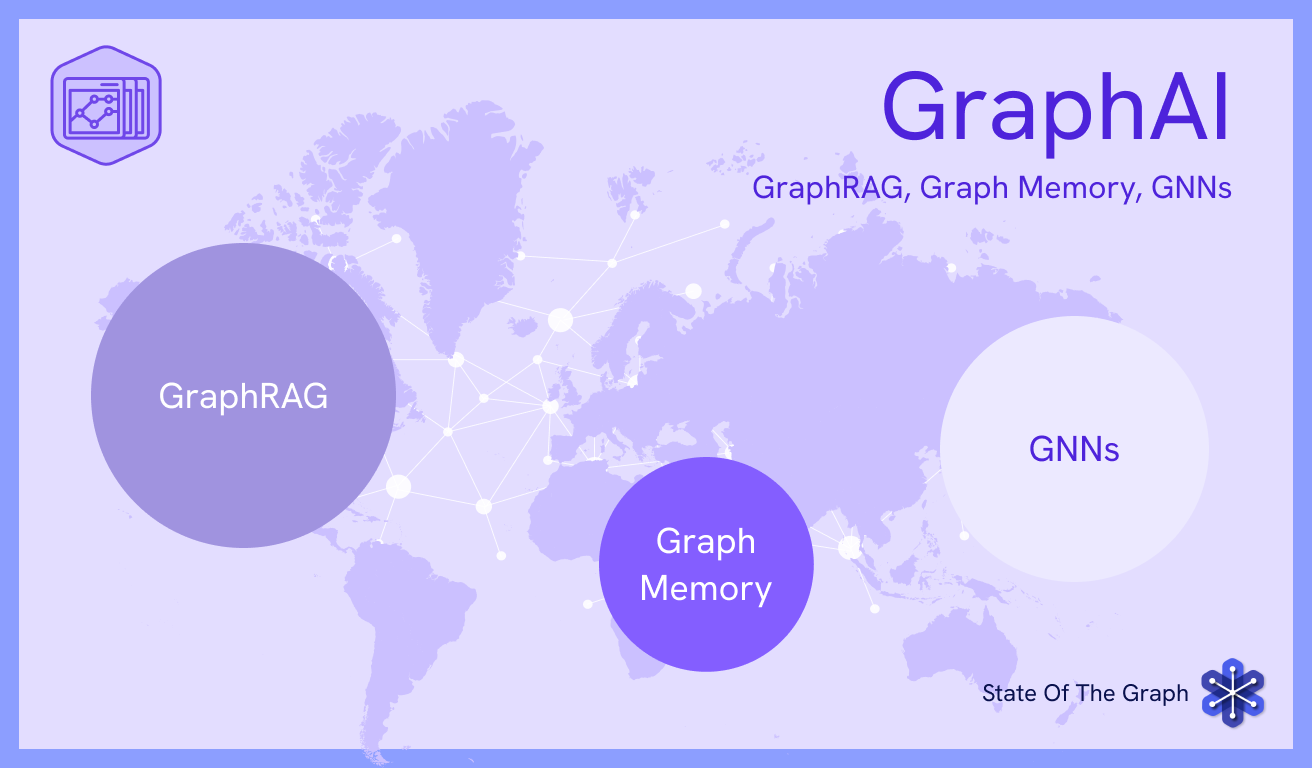
GraphAI as the Emerging Frontier on the Graph World Map
State of the Graph is mapping a new frontier: how graphs are being used inside AI systems. GraphAI is the category where graph structure stops being passive infrastructure and starts doing active work, shaping what models retrieve, what agents remember, and what machine learning algorithms learn. That shift is the unifying logic of this…
-
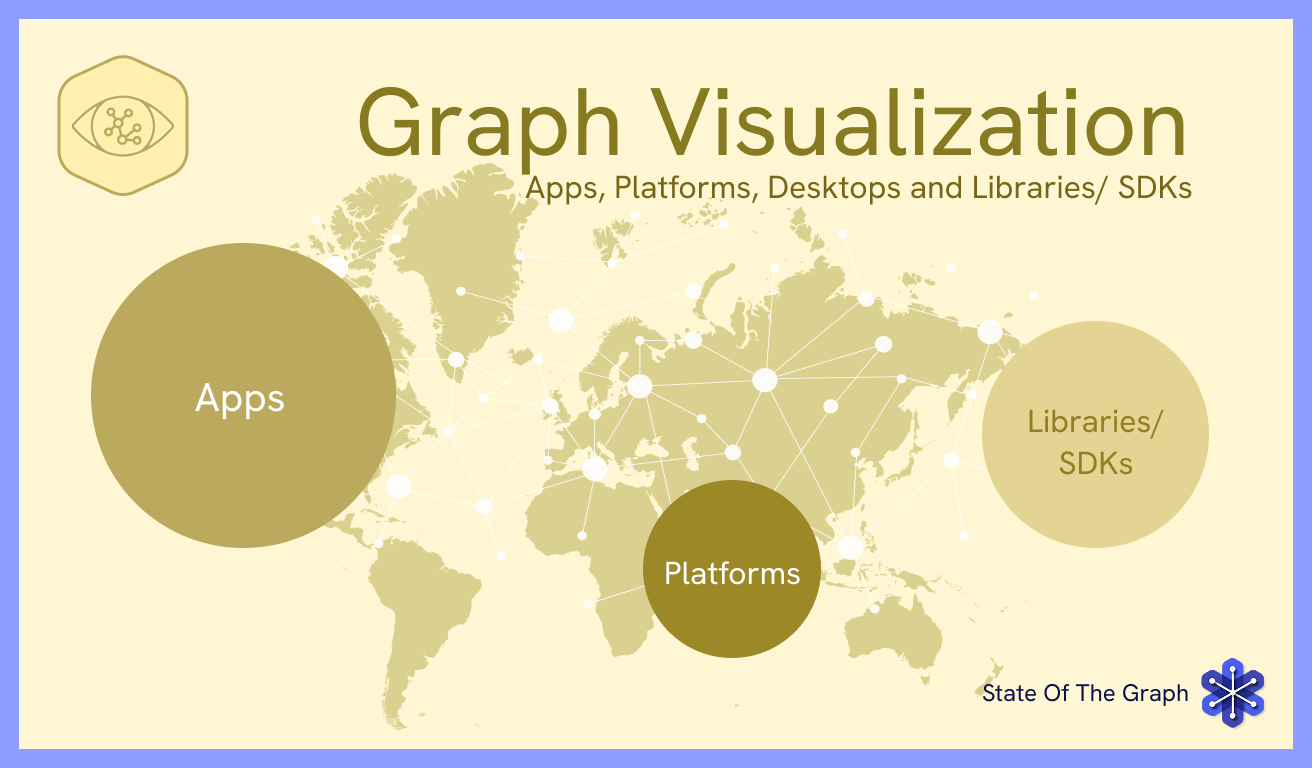
Charting the Graph Frontier with Graph Visualization
Graphs are how we see structure in messy, connected data: people and their relationships, systems and dependencies, concepts and citations. The landscape of graph visualization tooling is sprawling, ranging from ready‑to‑use graph apps and platforms to tiny JavaScript libraries you can drop into a single page. The global data visualization tools market size was…
-
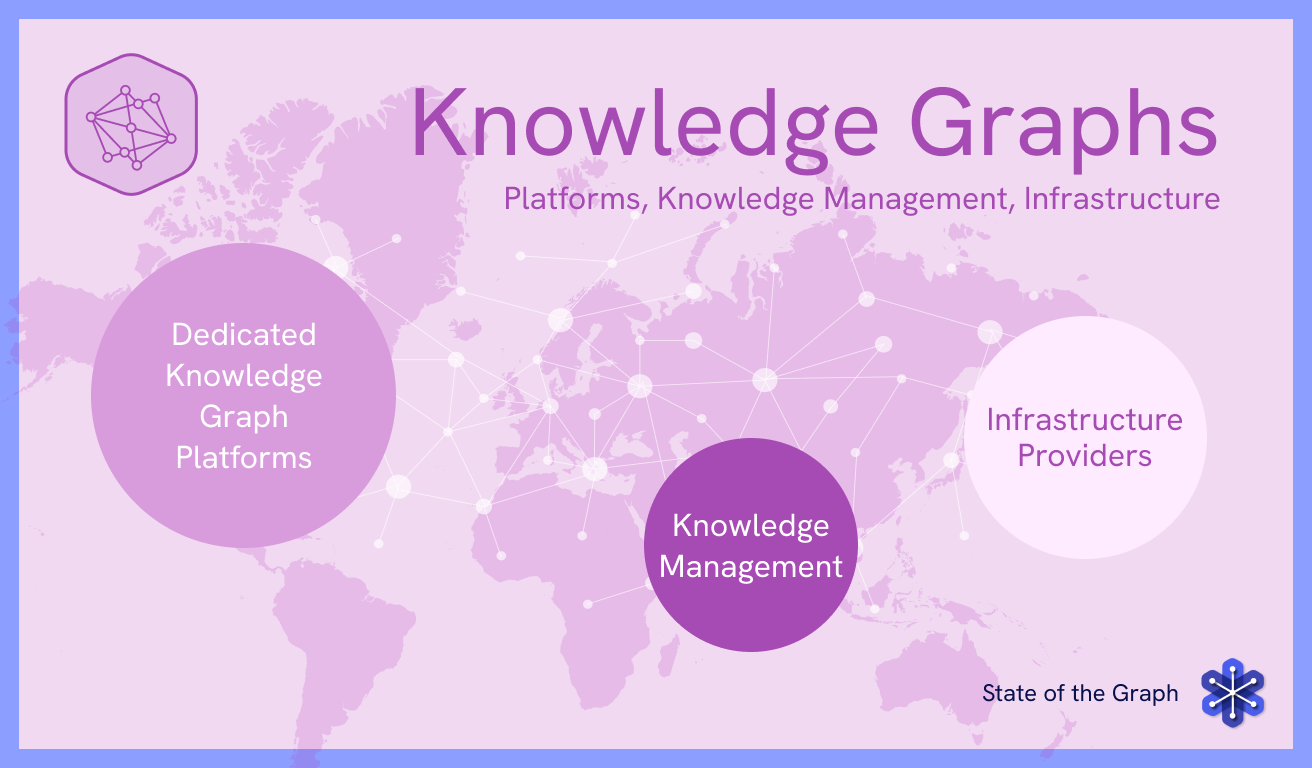
Mapping the Knowledge Graph Continent
State of the Graph is continuing its tour of the ecosystem with a first deep dive into the Knowledge Graphs category. Knowledge graphs organize information as a network of entities and relationships, often with semantic meaning, so systems can work with connected context rather than isolated records. The Knowledge Graph market is estimated to…
-
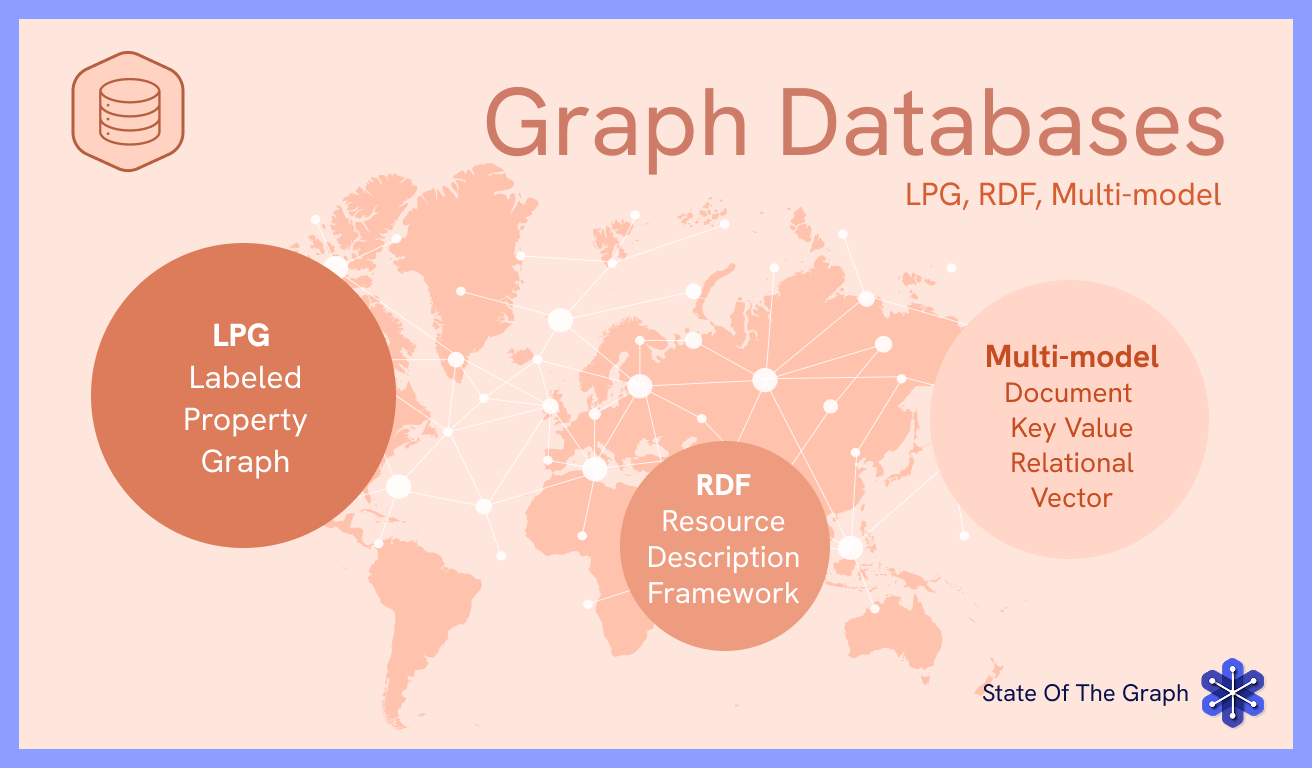
Exploring the Graph Database Landscape
State of the Graph is continuing its world tour with one of the most visible parts of the ecosystem: Graph Databases. Graph databases are where graph theory becomes a living system: a place to store, query, and analyze entities and their relationships at scale. They power use cases such as real‑time recommendations, fraud and…
-
Navigating the Graph Analytics Map
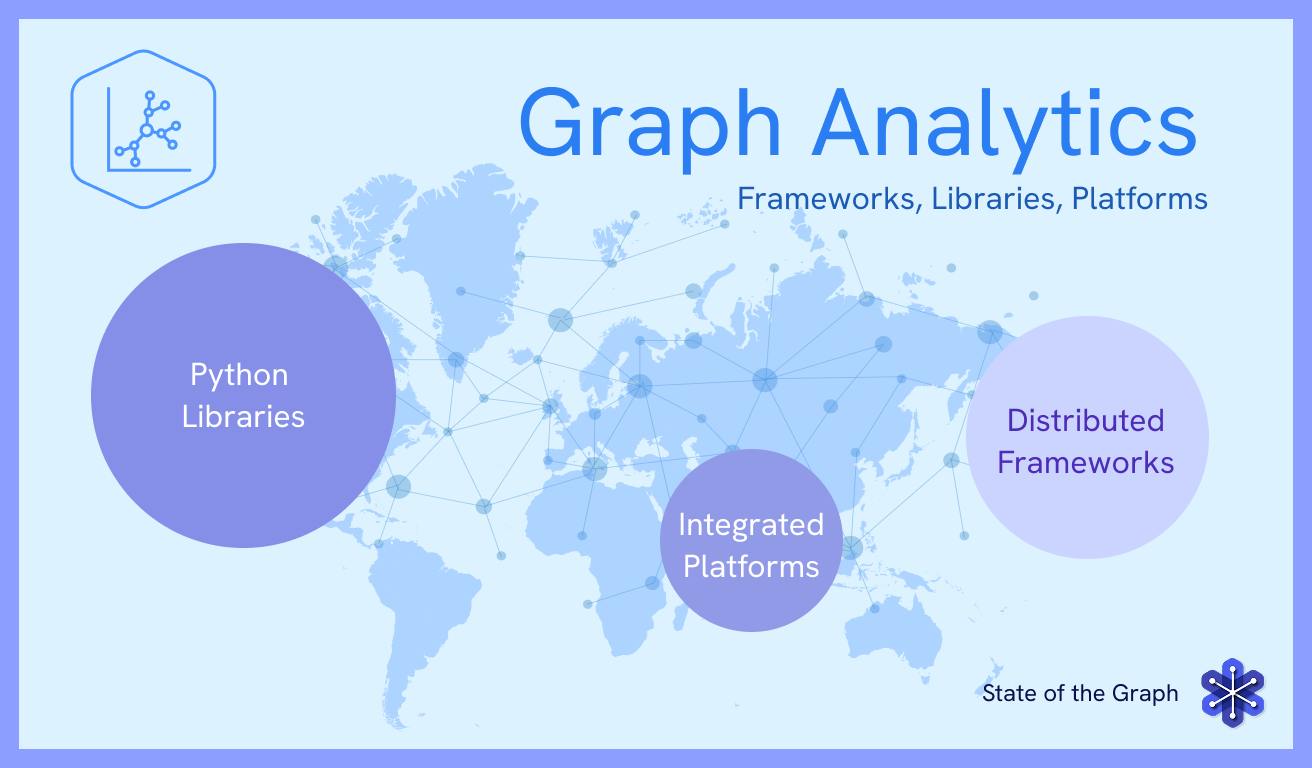
State of the Graph is kicking off with its first published category: Graph Analytics. We navigate the Graph Analytics Map Graph analytics tools use graph queries and algorithms to uncover patterns and relationships in connected data, enabling use cases from network security and fraud detection to BI, retail, and social networks. Graph analytics sits…
-
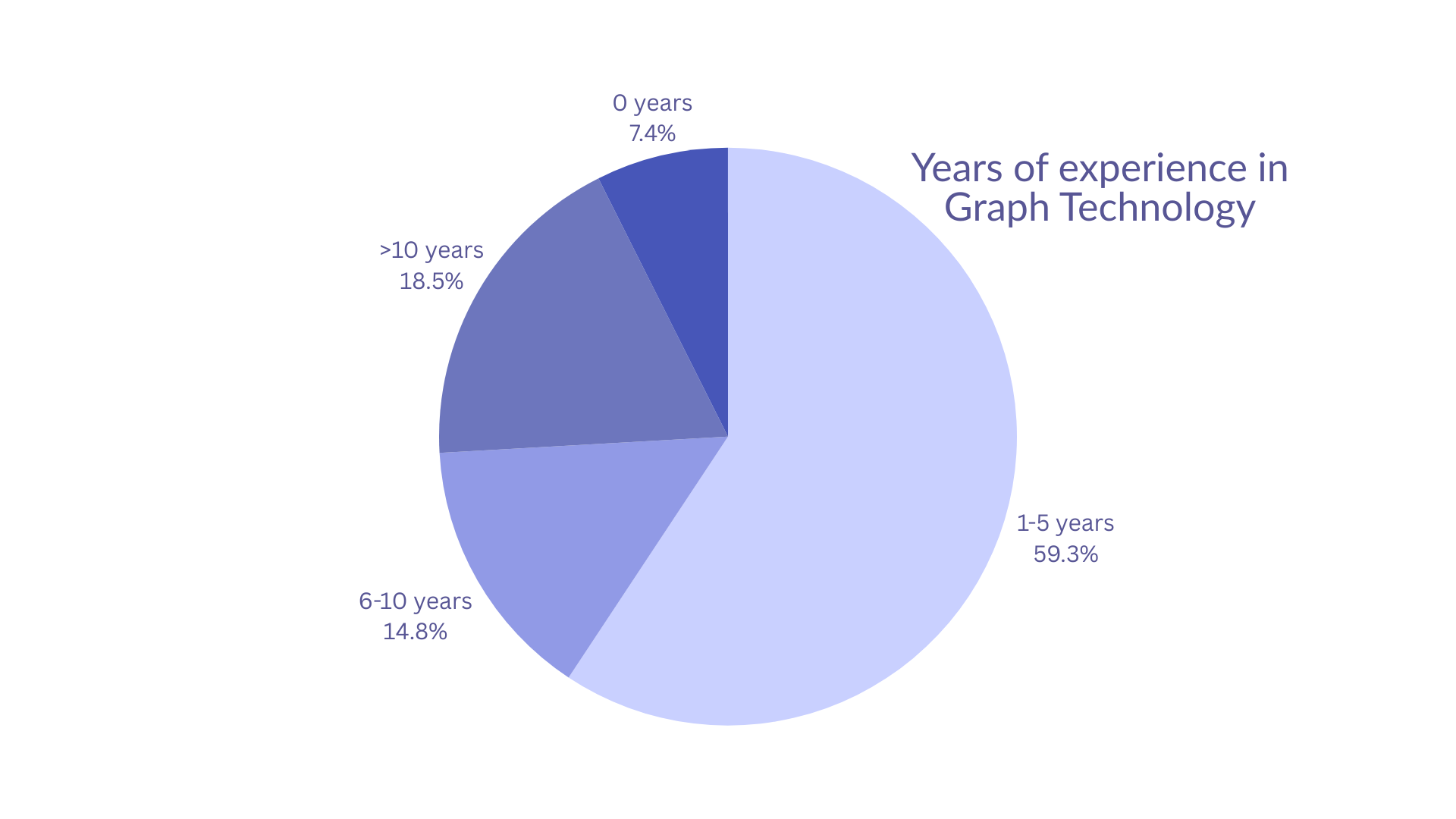
2025 State of the Graph Survey: Adoption and Gaps
Between November 2025 and January 2026, we conducted the first “State of the Graph” community survey to understand who is using graph technology today, how they use it, and where they need the most support. The early results point to a clear pattern: knowledge graphs and graph databases are driving adoption, but guidance and…