
GraphAI
GraphAI describes systems in which graph structure plays an active role in AI reasoning, not just as infrastructure behind the AI but as a core mechanism shaping what is retrieved, remembered, or learned.
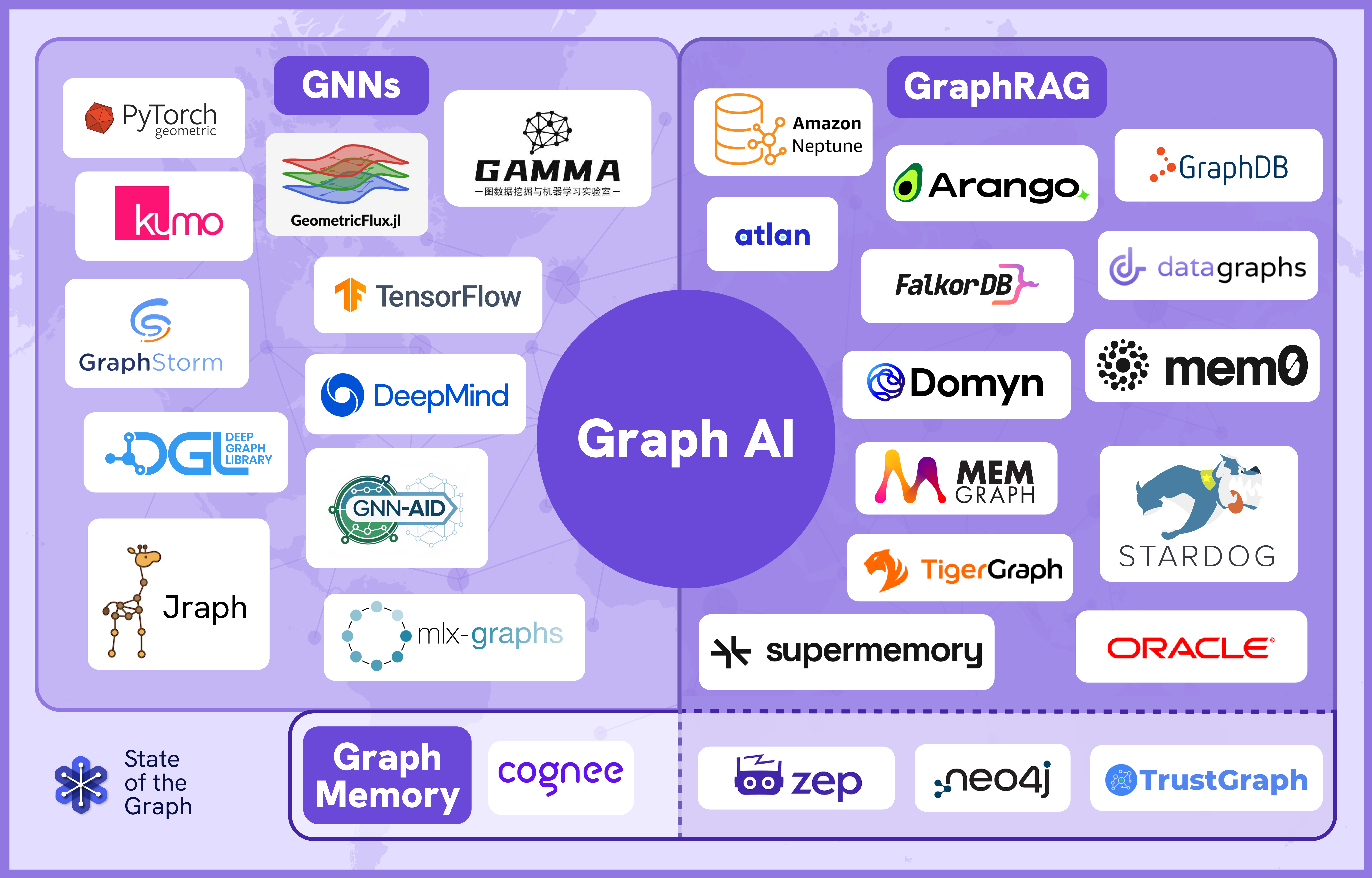
GraphAI extends classic graph machine learning by using graphs not only as training input (GNNs) but as live components in AI pipelines, where GraphRAG and Graph Memory shape inference, retrieval, and agent cognition in real time.
In this catalog, we organize offerings into three Graph AI types: GraphRAG, Graph Memory, and GNN (Graph Neural Networks)
To be included, an offering must qualify for at least one type, and for that type, it must meet all 3 criteria:
GraphRAG
- Uses a graph (knowledge graph or graph database) directly in the LLM retrieval/grounding path.
- Ships explicit, productized GraphRAG capabilities (documented features, APIs, SDKs, templates, or patterns).
- Functions as a general GraphRAG / graph‑GenAI layer across domains, not just a single vertical app.
Graph Memory
- Targets agents or agentic workflows as a primary use case.
- Provides long‑term or shared memory structured as a graph or graph+vector hybrid.
- Exposes graph‑based traces, histories, or reasoning views that make agent behavior inspectable over time.
GNN (Graph Neural Networks)
- Provides GNNs as a first‑class capability (layers, models, or a framework for learning on graphs).
- Supports training and/or inference of GNNs on real graph data via concrete workflows.
- Shows meaningful adoption as a graph machine learning solution, either as a widely used open source or as an enterprise‑positioned platform.
Tech Professionals | Analysts and Investors | Vendors and Builders
Please note: You need to create an account in order to access this content.
The table below maps offerings by type, data connections, AI and machine learning capabilities, and operational maturity, so you can quickly assess where each one fits and which deserve a closer look.